


Dental Implants
Single-tooth implant
A permanent solution for missing teeth.
LEARN MOREEvery review reflects our commitment to exceptional care—from first visit to final result.
LEAVE US A GOOGLE REVIEW
“I took my mother for a new set of dentures, and from the initial enquiry phone call and throughout the...”
“This is the single best dentist I have ever been to. I've been to professional dentists in the USA who...”
“It was a truly gratifying experience to be treated with such professionalism, expertise, courtesy, and kindness by a dentist. Cannot...”
“I rang up this morning as I had tooth pain and was not yet registered at a dentist. The receptionist...”
“I took my mother for a new set of dentures, and from the initial enquiry phone call and throughout the...”
“This is the single best dentist I have ever been to. I've been to professional dentists in the USA who...”
“It was a truly gratifying experience to be treated with such professionalism, expertise, courtesy, and kindness by a dentist. Cannot...”
“I rang up this morning as I had tooth pain and was not yet registered at a dentist. The receptionist...”

At Dent Blanche Implant & Dental Centre, we combine precision, experience, and compassionate care to deliver world-class dental implant treatments right here in Nottingham. Whether you’re missing a single tooth or require a full smile restoration, our highly trained implant dentists use state-of-the-art technology to ensure natural-looking, long-lasting results.

Years of clinical experience, ongoing training, and trusted hands you can rely on.

State-of-the-art tools and techniques for safer, faster, and more comfortable care.

Personalised support from your first visit to your lasting, confident result.

Transformative outcomes that go beyond aesthetics—built to last to boost confidence.
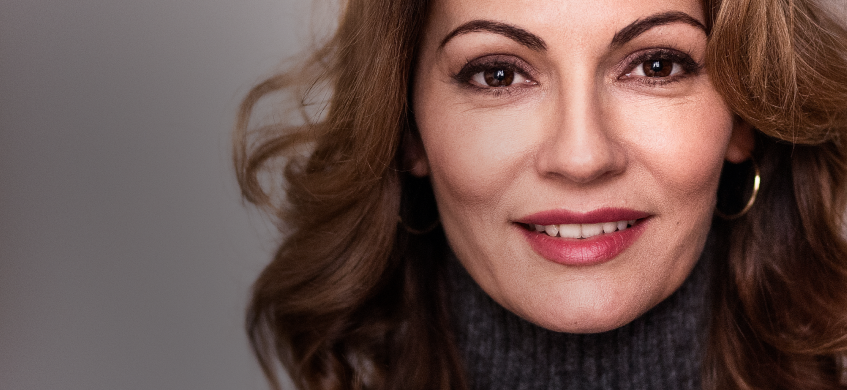
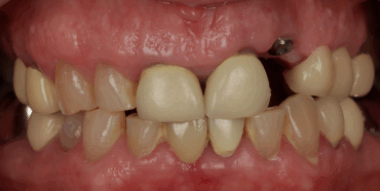
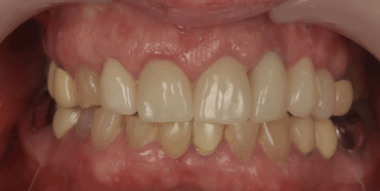
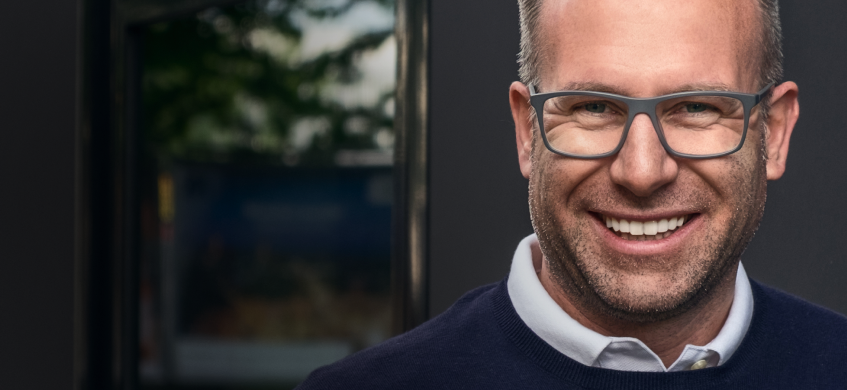
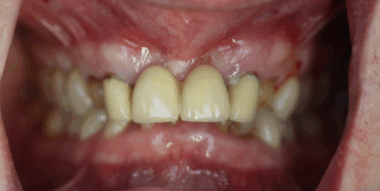
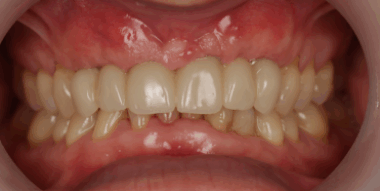
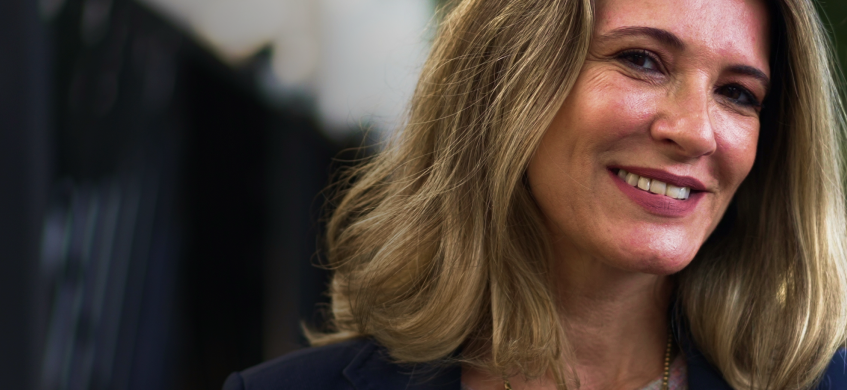
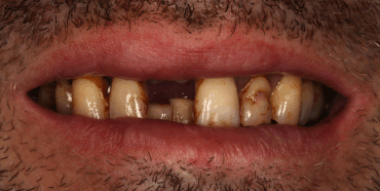
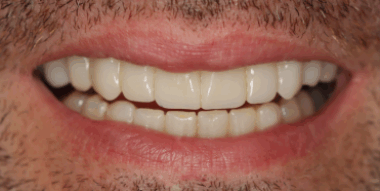
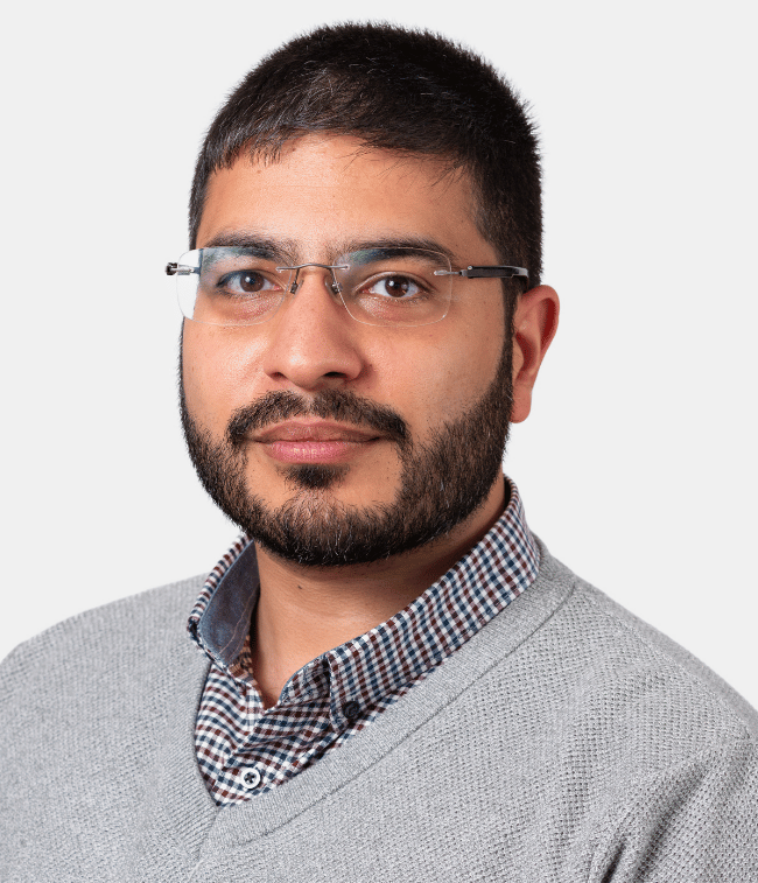
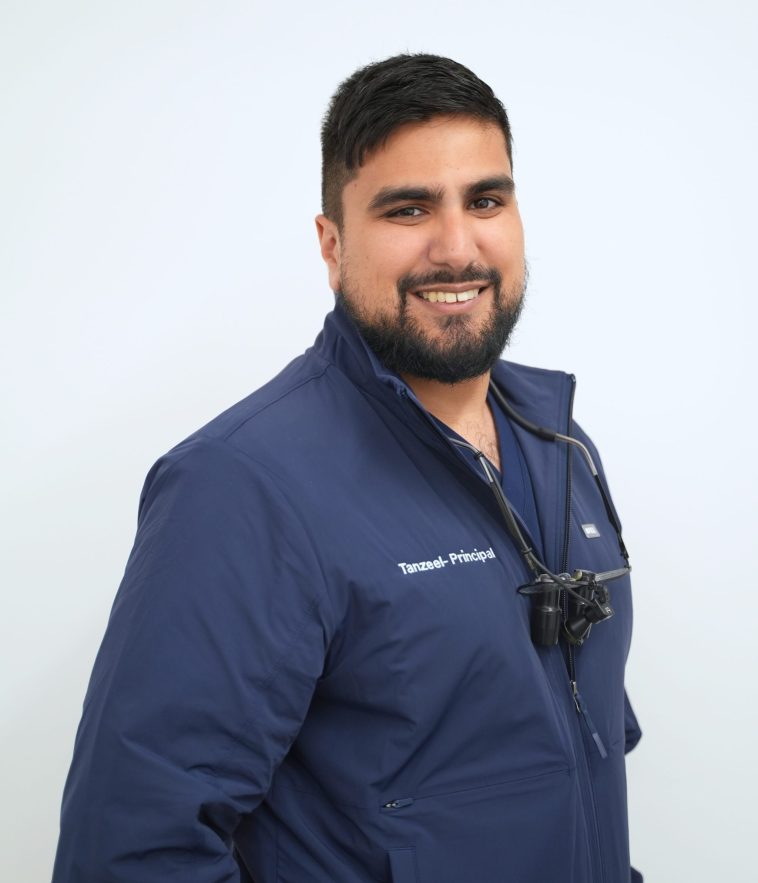
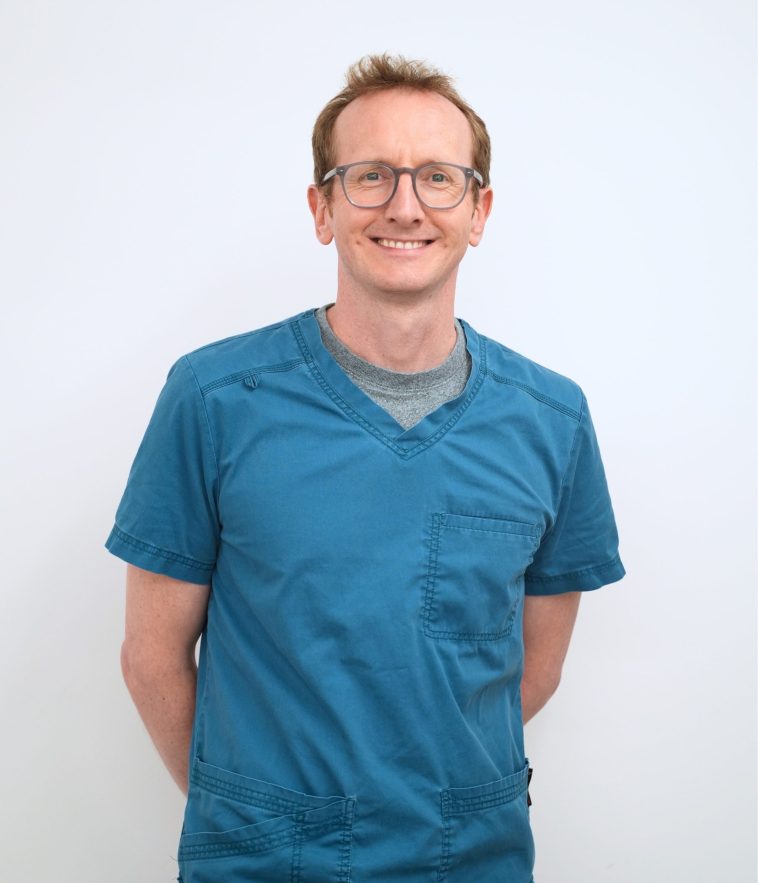

At Dent Blanche – Implant and Dental Centre, our difference lies in our steadfast commitment to offering accessible, long-lasting solutions for tooth loss. We combine advanced technology with a truly personalised approach to your dental implant journey. Our clinic utilises cutting-edge tools, including state-of-the-art 3D imaging, to create precise, customised treatment plans tailored to your individual needs. Beyond technology, we prioritise getting to know you—your goals, concerns, and expectations—ensuring an experience that is not only innovative but also comfortable and reassuring.
Your comfort is our top priority at Dent Blanche – Implant and Dental Centre. Dental implant procedures are usually carried out under local anaesthesia, meaning you’ll feel little to no discomfort during the surgery. Our experienced dental implant surgeons are committed to making the process as smooth and stress-free as possible.
Absolutely. We deeply understand the connection between oral health and overall well-being. That’s why we focus on providing comfortable, functional implants that restore your smile and your confidence. Our team is dedicated to transparency and your comfort every step of the way. When you choose Dent Blanche – Implant and Dental Centre, you’re choosing a trusted partner committed to helping you achieve the smile you’ve always wanted. Book your consultation today and let us exceed your expectations.
Proudly serving private and Denplan patients throughout Radcliffe-on-Trent, Nottingham.